Capabilities
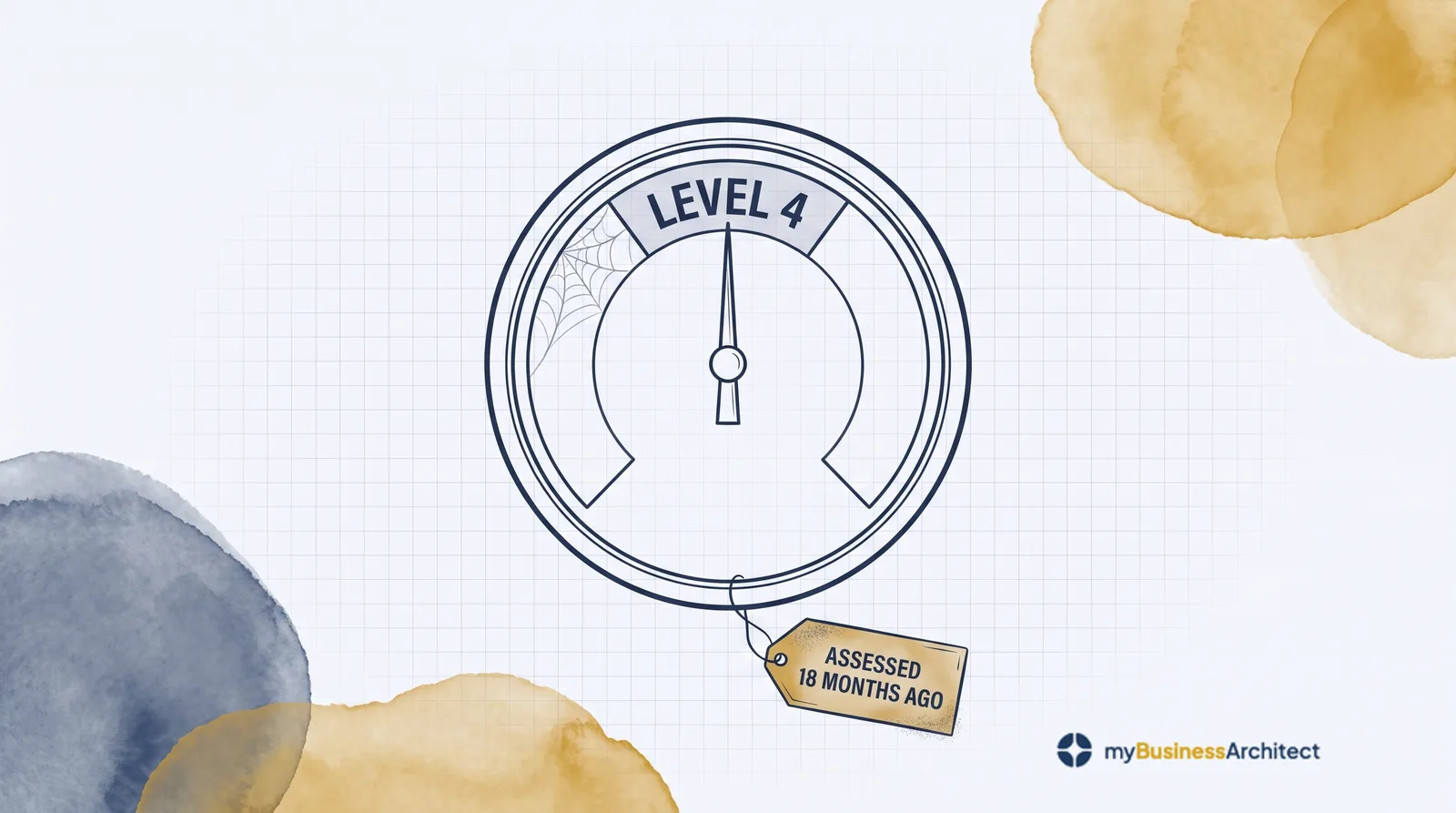
Capability Maturity Has an Expiry Date
A capability can be uplifted, assessed, and correctly scored, and still be quietly coasting on that score two years later. Nobody built a reason to look again.
mybusinessarchitect
Capability mapping and maturity assessment for business architects: identify strategic gaps and build the capabilities your organisation's strategy requires.
A capability can be uplifted, assessed, and correctly scored, and still be quietly coasting on that score two years later. Nobody built a reason to look again.
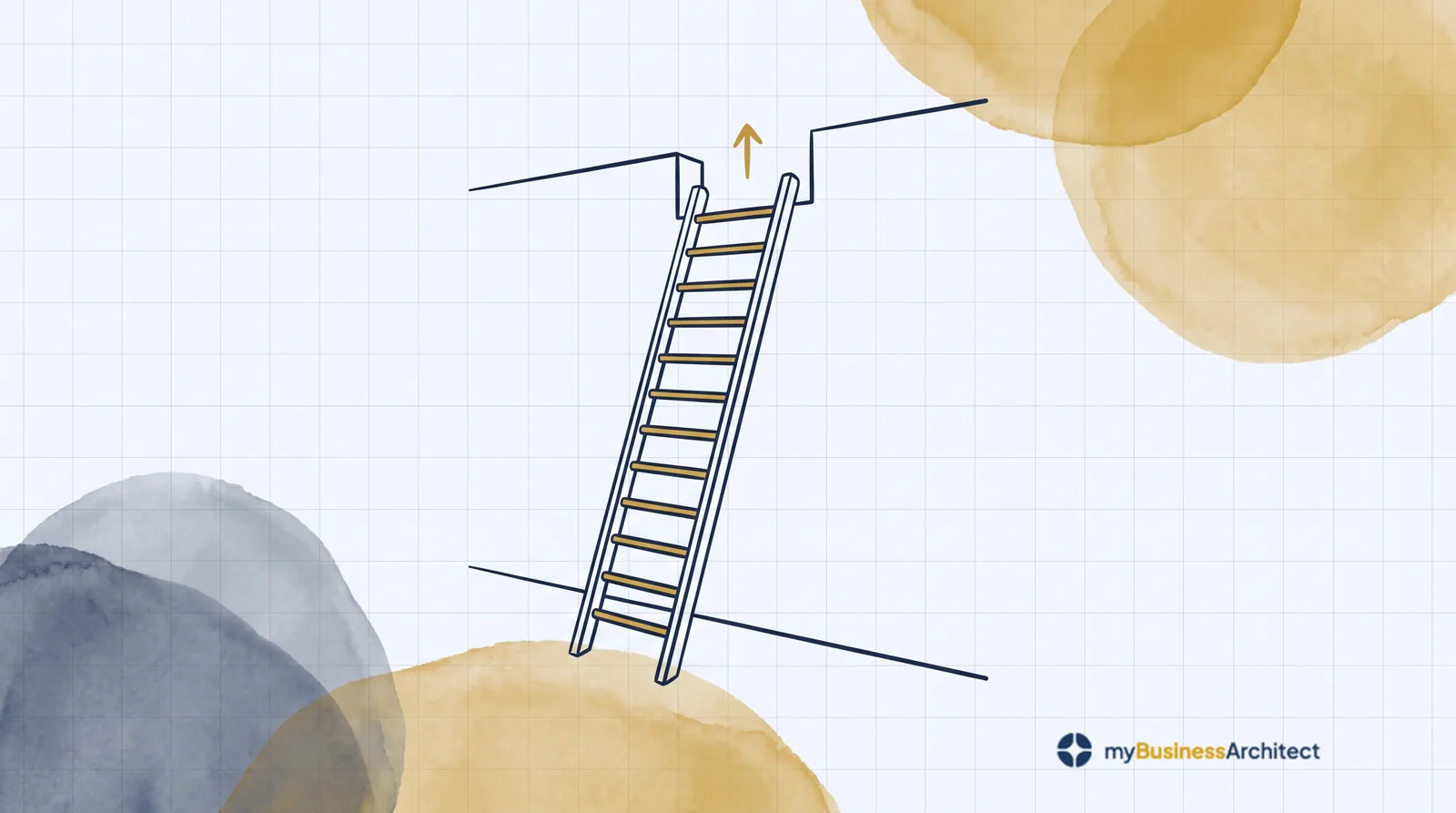
A capability can hit its target every year and still be aimed at the wrong number. The strategy moved. Nobody re-asked whether the target still did.
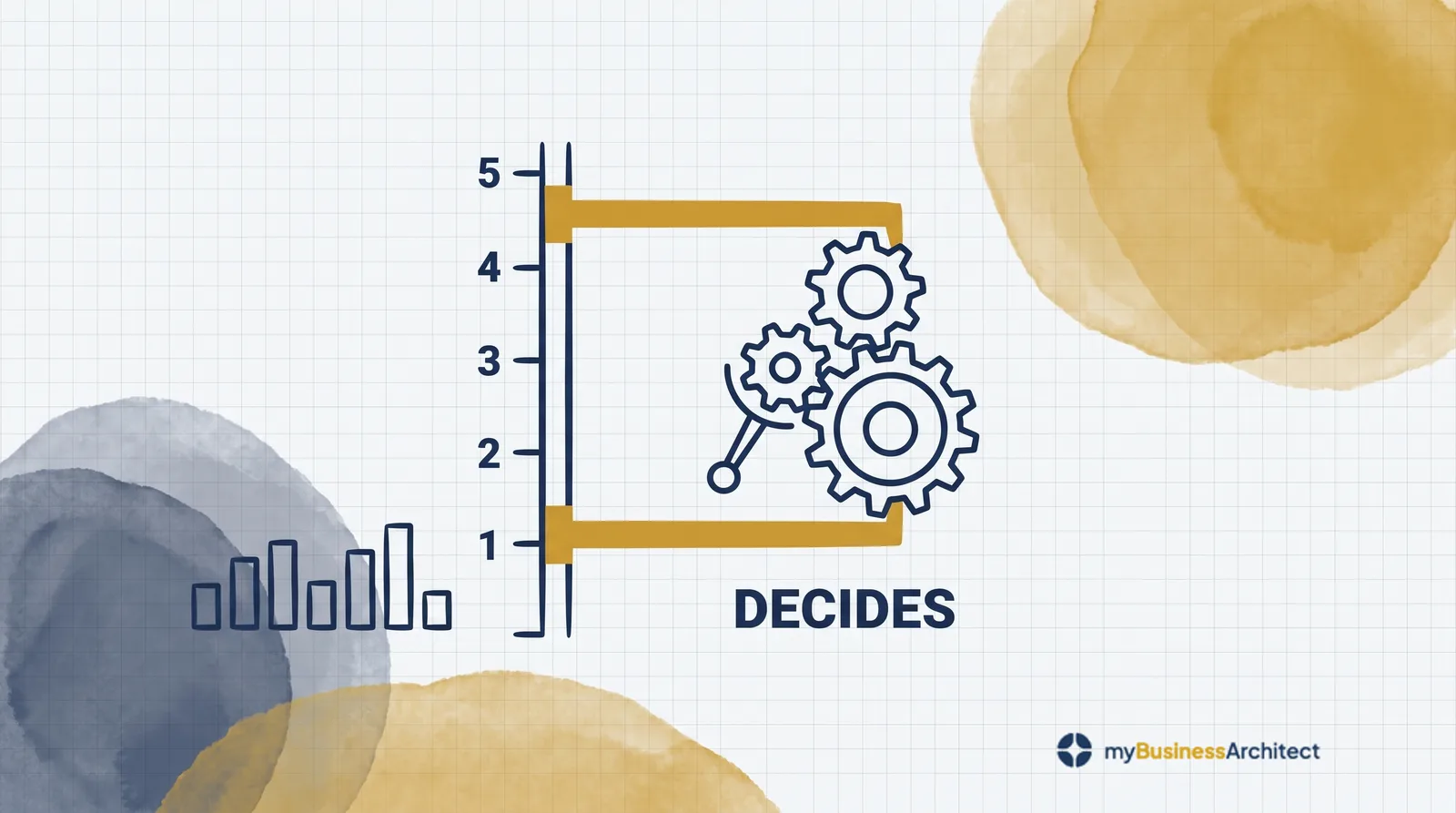
Every maturity model asks how mature your capabilities are. The question that separates organisations that compound from ones that reset sits one level up.
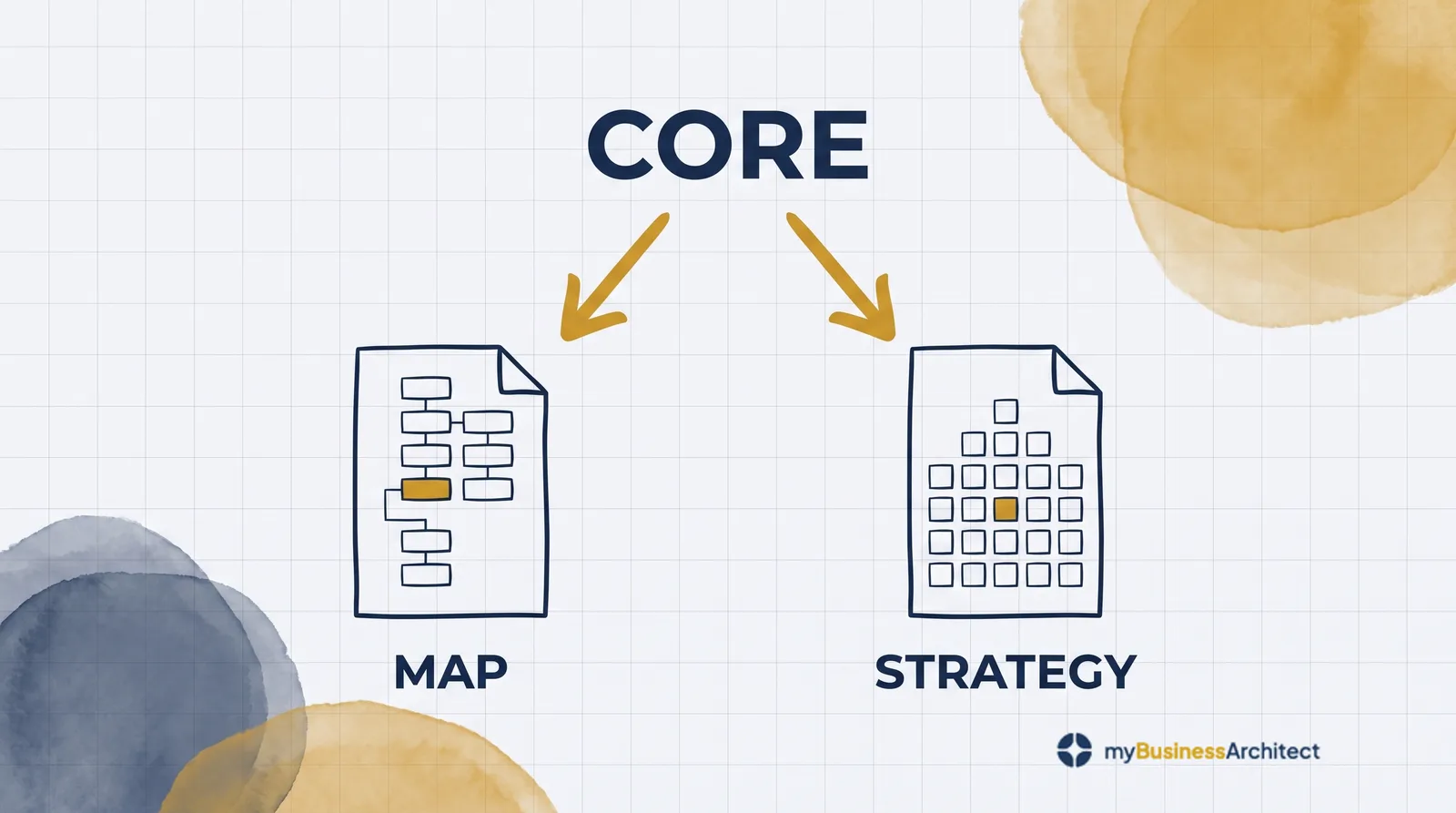
A reference model's 'core' and a strategy's 'core' answer different questions. Confuse them and capability conversations stall.
Three decades of published maturity ROI research contain no failures. That's not because failures don't happen. Here's how to write a business case anyway.

Sustaining a shared vocabulary is an organizational exercise. You need engagement, governance, political navigation, and persistent attention. That skill set is different, and most organizations underinvest in it.

This is the invisible gap that eats organizational performance. Not a strategy gap. Not a resource gap. A capability gap that nobody can articulate because nobody has the language.

Once you understand what a capability actually is, the next question is where to invest. And the answer isn't "everywhere equally."